Table of Contents
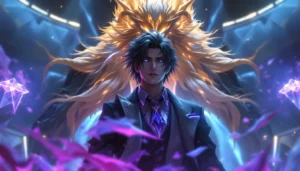
ToggleYour profile picture says something about you, it’s the first impression you make in Discord servers, Twitch chats, and gaming communities. If you’re a Final Fantasy fan, choosing a Final Fantasy PFP isn’t just a cosmetic choice: it’s a declaration of your gaming identity. Whether you’re into the classic Cloud Strife aesthetic, the sleek Final Fantasy XIV custom character culture, or the anime-inspired artwork from the newer titles, the right profile picture can signal your taste, your favorite game, and your place in the gaming world. This guide breaks down everything you need to know about finding, creating, and optimizing a Final Fantasy PFP that truly represents you, from sourcing high-quality artwork to understanding platform specs and navigating copyright concerns.
Key Takeaways
- A Final Fantasy PFP instantly connects you with millions of fans and signals your taste in storytelling, character design, and gaming identity across Discord, Twitch, and other platforms.
- Popular Final Fantasy characters like Cloud, Lightning, Aerith, and FFXIV custom characters offer distinct aesthetic choices—select one that authentically reflects your gaming preferences and playstyle.
- Optimal Final Fantasy PFP formats vary by platform: Discord and most social media require square (1:1) aspect ratios at 512×512 pixels or higher for clarity and readability at thumbnail size.
- High-quality sources include official artwork from Square Enix, fan art communities (DeviantArt, Pixiv, ArtStation), in-game screenshots, and custom commissions ($50–$300 for professional artwork).
- Using fan art or screenshots as a PFP is legally safe under Square Enix’s permissive fan content policy; always credit artists and avoid claiming ownership of work you didn’t create.
- Test your Final Fantasy PFP choice at multiple sizes and against platform backgrounds to ensure strong contrast and visibility before committing to avoid looking pixelated or unclear.
Why Choose a Final Fantasy PFP for Your Gaming Profile
A Final Fantasy profile picture works for a specific reason: it instantly connects you with millions of other fans who grew up with or love the series. Unlike generic gaming avatars, a Final Fantasy PFP tells people you have taste in storytelling, character design, and production value.
Final Fantasy is one of the most visually distinctive franchises in gaming. The character designs are iconic, from the distinctive spiky hair of Cloud to the elegant, complex wardrobe of Lightning. These designs have influenced anime, fashion, and gaming culture for decades. When someone sees your Final Fantasy PFP, they immediately understand you’re part of a community that values narrative depth, character development, and aesthetic polish.
Beyond aesthetics, your PFP choice can influence how others perceive you in gaming spaces. A Final Fantasy XIV character PFP, for example, signals you’re part of one of the most engaged MMO communities in gaming. A Cloud Strife PFP suggests you appreciate the classics and understand gaming history. These signals matter in competitive communities, roleplaying servers, and raid groups where shared cultural knowledge strengthens team cohesion.
Choosing the right Final Fantasy PFP is also about representation. You’re not just picking a random image, you’re selecting artwork that resonates with your gaming philosophy and personal style.
Popular Final Fantasy Characters for Profile Pictures
Cloud Strife and Final Fantasy VII Icons
Cloud Strife remains the most recognizable Final Fantasy character globally, and for good reason. His design, the oversized Buster Sword, the spiky blonde hair, and the brooding demeanor, has become synonymous with JRPG protagonists. For PFP purposes, Cloud’s popularity means you’ll find countless high-quality artwork variations: moody close-ups, dynamic action poses, and even chibi versions.
Final Fantasy VII Remake has introduced a modern interpretation of Cloud that’s cleaner and more detailed than the original. The Remake’s artwork emphasizes his crisis suit and offers fresh visual options for profile pictures. You’ll also find iconic promotional art from the original 1997 release, which carries nostalgic weight and appeals to longtime fans.
Sephiroth is another VII powerhouse for PFP selection. His one-winged angel aesthetic, silver hair, and monumental presence make for stunning profile pictures. His status as one of gaming’s best villains adds credibility to the choice.
Lightning and Final Fantasy XIII Aesthetics
Lightning (Claire Farron) from Final Fantasy XIII offers a sleeker, more modern aesthetic than Cloud. Her design emphasizes androgyny, fashion-forward styling, and a chrome and pink color palette that’s instantly distinctive. Lightning’s PFPs appeal to players who want something visually striking but less traditionally heroic.
Final Fantasy XIII’s art direction was divisive at launch, but Lightning’s character design has aged beautifully. The games feature her in multiple outfits across the trilogy, giving PFP enthusiasts plenty of options. Her cosplay popularity means community artwork is abundant and high-quality.
Noel Kreiss and Serah Farron also pull from the XIII aesthetic, offering similar modern styling with slightly different color schemes. Serah’s pink and white aesthetic works well for profile pictures that prioritize visibility and stand out in crowded communities.
Aerith, Tifa, and Other Beloved Characters
Aerith Gainsborough represents something different, grace, mystery, and the emotional core of Final Fantasy VII. Her pink dress and flower imagery are instantly recognizable. Aerith PFPs tend to appeal to players who value narrative weight and emotional resonance. The Final Fantasy VII Remake’s portrayal has added new dimension to her character, creating fresh artwork variations.
Tifa Lockhart bridges action and charm. Her design emphasizes martial arts prowess without sacrificing character depth. She’s particularly popular in communities that value capable, multidimensional female characters. Tifa has extensive fan artwork, ranging from action-focused poses to casual designs.
Yuna from Final Fantasy X brings ethereal, elegant energy. Her summoner robes and serene demeanor offer a contemplative alternative to more action-oriented characters. Yuna’s popularity spans generations, both OG FFX fans and newcomers discover her through Final Fantasy X/X-2 HD Remaster.
Other beloved options include Celes Chere (Final Fantasy VI), whose opera scene aesthetic remains iconic, and Tidus, whose youthful energy appeals to players who want something lighter and more optimistic.
Final Fantasy XIV Custom Character Options
Unlike other Final Fantasy titles, Final Fantasy XIV culture heavily emphasizes custom character creation. Many players use their own in-game character as their PFP instead of canonical characters. This is particularly strong in the XIV community, your Warrior of Light is uniquely yours, and many players take pride in their character’s appearance.
When using an FFXIV character as a PFP, you’re signaling deep engagement with the game. Your character’s race, class, glamour (cosmetic gear), and pose all communicate something about your playstyle and personality. A tank main might showcase their character in tank gear, while a crafter might highlight their character’s fashionable glam. The practice has become so standard that generic FFXIV characters are sometimes recognized by the community even without names.
Where To Find High-Quality Final Fantasy PFPs
Official Artwork and Game Screenshots
The official route is always the safest and often the highest quality. Square Enix releases promotional artwork, key art, and official renders for every Final Fantasy title. These are typically available through:
- Official game websites and press kits
- The Final Fantasy XIV website (which has an entire media section with official character shots and promotional art)
- Official social media accounts (Twitter/X, Instagram, YouTube)
- Game menus and pause screens (you can screenshot directly)
Game screenshots are underutilized as PFP sources. When you take a high-quality screenshot from an up-to-date game engine, say, a dramatic moment from FF VII Remake or a beautifully rendered FFXIV character, you’re getting studio-level visual quality. Some players prefer screenshots because they’re guaranteed copyright-safe (you own the screenshot of your own playthrough).
Official artwork has one advantage: it’s always approved for use, and you’re not taking up bandwidth or running afoul of anyone’s terms of service.
Community Art Platforms and Fan Sites
Fan art sites are where the real depth lives. Platforms like DeviantArt, Pixiv, ArtStation, and Reddit’s Final Fantasy subreddits host thousands of community-created Final Fantasy artworks. The quality here varies wildly, but the volume means you’ll find exceptional pieces.
When sourcing fan art for PFPs, always:
-
Check the artist’s permissions. Most artists are thrilled to see their work used as profile pictures, it’s free promotion. Some explicitly allow it: others prefer being asked. A comment thanking the artist costs nothing and builds community goodwill.
-
Look for higher resolution versions. Fan artists typically upload at various resolutions. If a piece catches your eye, hunt for the highest-res version available (often on the artist’s direct platform or Patreon).
-
Credit the artist in your Discord or social profile. A link to their account or a simple “Art by @[artist]” in your bio shows respect and helps them gain exposure.
For Final Fantasy XIV specifically, the community art scene is vibrant. Subreddits like r/ffxiv and r/Aura (for Aura players) are goldmines of custom character artwork. Many XIV players commission artists to create high-quality renditions of their characters, and these artists often make their portfolios publicly browsable.
AI-Generated and Customizable PFP Generators
AI-generated artwork has become a contentious but practical option. Services like Midjailure, Stability AI, and others can generate Final Fantasy-style artwork based on prompts. You can request specific characters, art styles, or even your own character description.
The advantage: unlimited options, complete customization, and instant creation. You want a chibi Cloud in a cyberpunk setting? Generated in minutes.
The disadvantage: Quality is inconsistent, and the ethical implications around training data remain disputed in the creative community. For profile pictures specifically, most communities are fine with AI-generated art, but some artist-centric spaces discourage it.
Customizable PFP generators (non-AI) like Picrew and similar tools let you build character avatars piece by piece. While not strictly Final Fantasy, many creators make Final Fantasy-themed Picrew generators. These result in unique, owner-created artwork that sits in a grey area between commissioned art and personal creation.
For PFP purposes, AI tools work best when combined with subsequent editing in tools like Photoshop or Canva to match platform requirements and add personal touches.
Sizing and Format Guidelines for Different Platforms
Discord, Twitch, and Streaming Platforms
Discord’s profile picture requirements are simple but important:
- Minimum size: 128×128 pixels (though it’ll upscale if smaller)
- Optimal size: 512×512 pixels or 1024×1024 pixels for clarity
- Format: PNG, JPG, or GIF
- File size: Up to 10 MB
- Aspect ratio: Square (1:1)
Most Final Fantasy artwork is rectangular, so you’ll need to crop or add padding. Cropping a character’s face or upper torso usually works best, it maintains focus and avoids awkward composition. If you prefer not to crop, add a colored background (matching the artwork’s palette) to achieve a 1:1 ratio.
Twitch follows similar specs but emphasizes visibility. On Twitch, your PFP appears small in chat, so make sure it’s readable at thumbnail size. High-contrast artwork (like Cloud’s spiky hair against a dark background) performs better than subtle, gradient-heavy designs.
For streaming platforms, remember that your PFP is visible for hours at a time. Choose something that won’t fatigue viewers’ eyes. Highly saturated neon colors can cause strain: pastels and balanced palettes are easier on viewers.
GIFs are supported on Discord and some platforms, which opens up animated possibilities. An animated Cloud limit break sequence or a looping Lightning attack animation adds personality. Keep file sizes reasonable (under 5 MB) to avoid upload issues.
Social Media Standards and Optimization Tips
Twitter, Instagram, and other platforms have their own specs:
- Twitter: 400×400 pixels minimum: square recommended
- Instagram: 1080×1080 pixels optimal: square required
- Facebook: 170×170 pixels minimum: 1200×1200 pixels optimal
- Reddit: 512×512 pixels recommended: square
Most modern platforms standardize on 1:1 (square) aspect ratios for profile pictures. This simplifies things: resize to your platform’s recommended size in square format, and you’re set.
Optimization tips:
- Compression: Use tools like TinyPNG or ImageOptimizer to reduce file size without losing quality. Smaller files upload faster and look sharper.
- Contrast: Ensure the PFP pops against platform backgrounds. Dark artwork stands out on light backgrounds and vice versa.
- Readability: If your PFP includes text (like a character name or FF logo), ensure it’s legible at thumbnail size.
- Consistency: Use the same PFP across platforms when possible. It builds recognition and makes you easier to find.
For a truly polished approach, consider exporting separate versions for different platforms. An Instagram version might emphasize the full character, while a Discord version crops to the face for better visibility in chat.
When downloading artwork from community sources, check the resolution before settling on a PFP. A 1920×1080 piece from DeviantArt scales down beautifully: a 400×400 piece will pixelate when enlarged. Always start with the highest resolution available.
Creating Custom Final Fantasy PFPs
Using Your In-Game Character as a PFP
The most personal approach: screenshot your own character. Whether you’re playing Final Fantasy XIV with a custom Warrior of Light or taking screenshots from any other Final Fantasy game, your playthrough is valid PFP material.
For FFXIV specifically, the community has developed screenshot-taking into an art form. Players use:
- Gpose (group pose mode): Lets you position your character, adjust lighting, add effects, and frame dramatic shots
- Custom filters and mods: Tools like Gpose plugins add cinematic effects
- Housing locations: Your own apartment or house provides customizable backdrops
- Emote combinations: Pairing emotes creates natural-looking poses
To take a strong in-game screenshot:
- Choose a visually interesting location or your character’s favorite spot
- Equip your best glamour (cosmetic gear)
- Use Gpose to adjust camera angle, lighting, and effects
- Add depth-of-field to blur the background and make your character pop
- Screenshot at native resolution (1440p or higher for best quality)
- Crop and resize for your target platform
The beauty of in-game screenshots: they’re copyright-free (you own your character and your screenshots), instantly personal, and updated whenever you change your gear or hairstyle.
Design Tools and Easy Editing Options
If you want to take artwork further, basic editing tools are your friends:
Canva is the easiest entry point. Upload any Final Fantasy artwork, crop to square, adjust brightness/contrast, add text overlays (your username, a quote, your main class), and export. No design experience required. Free tier covers most PFP needs.
Photoshop offers professional control but has a steep learning curve. If you already use it, you can:
- Crop artwork to square
- Adjust levels and saturation
- Add character name or gaming tag as text overlay
- Blend multiple images (your character’s face with a Final Fantasy VII background, for example)
- Create composite PFPs that blend official art with personal touches
GIMP is Photoshop’s free alternative. It’s fully capable of PFP editing, cropping, color correction, text overlay, and basic composition.
Pixlr is a browser-based hybrid: easier than Photoshop, more powerful than Canva. Good middle ground for players who want control without installing software.
For quick edits, Preview (Mac) or Photos (Windows) handle basic cropping and rotation. Nothing fancy, but sometimes that’s all you need.
Procreate (iPad) appeals to artists who want to draw or paint custom PFPs from scratch. Final Fantasy fan art thrives on Procreate thanks to its natural brushes and powerful tools.
The editing process doesn’t need to be complex. Sometimes the best PFP is a clean crop of existing artwork with minimal manipulation. A character’s face centered and cropped to square, with no other editing, often works better than an over-designed composite.
If commissioning custom artwork, budget $50–$300 depending on complexity and artist experience. A skilled digital artist can create a one-of-a-kind PFP tailored exactly to your specifications, your character, your pose, your style. Communities like r/HungryArtists and platforms like Fiverr connect you with Final Fantasy fans who do PFP commissions.
Trending Final Fantasy PFP Styles and Aesthetic Choices
Retro Pixel Art and Chibi Character Designs
Pixel art is experiencing a renaissance, and Final Fantasy is the perfect subject. Retro 16-bit sprites of Cloud, Aerith, and other characters have a timeless appeal. Pixel art PFPs work particularly well on Discord, the simplicity reads clearly at small sizes, and the aesthetic carries nostalgia weight.
Sources for pixel art:
- Sprite rips from original games (via emulation communities)
- Fan artists creating new pixel versions of modern characters
- Pixel art generators that convert modern artwork to 8-bit or 16-bit style
Chibi designs (super-deformed, cute proportions) have become mainstream in modern Final Fantasy. Final Fantasy XIV embraced chibi aesthetics with the Hildibrand questline: XIV players often commission chibi versions of their characters. These designs are approachable, charming, and work great as PFPs because they’re inherently friendly and invite community engagement.
Chibi artwork is abundant on Pixiv, DeviantArt, and community forums. Artists often create chibi versions of popular characters, this is genuinely fun territory for fan artists. A chibi Cloud or chibi Lightning signals you don’t take yourself too seriously while still respecting the franchise.
Minimalist and Modern Interpretations
On the opposite end, minimalist artwork strips characters down to essential visual elements. A minimalist Cloud might be just his silhouette, his weapon, and his iconic spiky hair reduced to three colors and clean lines. This approach appeals to players who want something sophisticated and modern.
Minimalist PFPs often use:
- Monochromatic or two-color palettes
- Geometric shapes and clean lines
- Character silhouettes or abstract representations
- Flat design (no gradients or complex shading)
The advantage: they’re visually striking, age well (trends don’t affect minimalist design), and work across platforms. A minimalist PFP reads well at any size.
Final Fantasy’s logo and various iconic symbols (the Chocobo, the Moogle, the series’ classic spell icons) work beautifully in minimalist form. Some players use just the Bahamut symbol or the Final Fantasy VII logo as PFPs, instantly recognizable with minimal visual complexity.
Anime-Inspired and High-Resolution Artwork
Modern Final Fantasy games, especially XIV and VII Remake, feature anime-adjacent art direction. High-resolution artwork emphasizing this aesthetic dominates current PFP trends. Anime-style character designs with expressive eyes, flowing hair, and detailed clothing create visually rich profile pictures.
Highest-quality sources for this style:
- Official Final Fantasy XIV artwork and promotional materials
- Gematsu and Japanese gaming sites often feature high-resolution official art
- Concept art books (scanned previews available online)
- Official illustrations from novels or manga set in Final Fantasy worlds
The anime-inspired PFP trend intersects with broader anime gaming culture. Players recognize these aesthetic choices instantly. An anime-style PFP signals you engage with JRPG culture broadly, not just Final Fantasy.
High-resolution artwork typically sources from:
- ArtStation (where professional concept artists post)
- Official artwork galleries on game publisher websites
- Digital art communities like Pixiv (which heavily weights high-resolution submissions)
When selecting high-res artwork, verify it’s been compressed minimally. A 1440p source looks sharp when cropped to 1024×1024: a 480p source pixelates badly when enlarged.
Tips for Choosing a PFP That Represents Your Gaming Identity
Reflecting Your Favorite Game or Character
Your PFP choice communicates what draws you to Final Fantasy. Cloud signals you value JRPG classics and respect gaming history. A Lightning PFP communicates interest in contemporary design and narrative innovation (XIII was divisive, but choosing it means you have opinions). An FFXIV character signals deep MMO engagement.
Consider what matters to you in games:
- Story-driven? Choose a character known for narrative depth (Aerith, Yuna, or Squall).
- Action-focused? Lightning, Zidane, or Tidus communicate dynamic playstyle preferences.
- Community-oriented? An FFXIV custom character or group art signals you value multiplayer experiences.
- Aesthetic-first? Pick based on visual design, a Lightning PFP for chrome aesthetics, an Aerith PFP for elegant minimalism.
- Competitive? Showcase your main class character or a character known for strength (Kefka, Sephiroth, Bahamut).
Your PFP will represent you for weeks or months. Choose something you’ll still like after seeing it hundreds of times.
Considering Color Schemes and Visibility
Color theory matters for profile pictures. Your PFP needs to pop against platform backgrounds and remain readable in thumbnail size.
High-contrast combinations work best:
- Dark character on light background (or vice versa)
- Saturated primary colors (blues, reds, yellows) read better than pastels
- Characters with distinctive color palettes (Lightning’s pink/white, Cloud’s blond/blue) are inherently visible
Avoid:
- Low-contrast gradients (dark blue to black, for example)
- Busy backgrounds that fight with your character
- Colors too similar in brightness (a red shirt on a dark red background blends together)
Test your PFP choice at multiple sizes. Open the image in your browser, shrink your window, and see how it looks as a thumbnail. If you can’t identify the character at 128×128 pixels, the PFP needs adjustment.
Final Fantasy XIV players often commission art specifically designed for PFP purposes, which means the artist understands framing, contrast, and visibility. Professional PFP art costs more but solves visibility problems automatically.
Standing Out in Gaming Communities
If you want your PFP to stand out in crowded Discord servers or gaming forums, think strategically:
Unique choices beat popular ones. While Cloud and Lightning are iconic, using a less common character (Freya from FFIX, Auron from FFX, or Barret from FFVII) helps you stand out while still communicating Final Fantasy fandom.
Custom artwork (commissioned or in-game screenshots) inherently stands out versus promotional art. Your FFXIV character is unique: countless other players have Cloud PFPs.
Niche aesthetic choices signal deeper knowledge. A pixel art rendition of a character, or a minimalist interpretation, shows you’ve thought about your PFP selection rather than just grabbing a popular image.
Consistent style across platforms makes you recognizable. If every social profile uses the same PFP (or clearly related artwork), people remember you more easily. You become “the person with the Bahamut PFP” rather than a random username.
Seasonal updates keep things fresh. Changing your PFP occasionally (while keeping a consistent identity) signals you’re actively engaged with games. Some players update their PFP when new character designs release or when they progress in a game they’re playing.
The goal isn’t to be trendy, it’s to choose something that feels authentic to you while remaining visually strong enough to make an impression.
Copyright and Usage Rights for Final Fantasy Imagery
Using Final Fantasy imagery as a PFP exists in a gray area legally, but understanding the rules protects you.
Official Square Enix Policy: Square Enix’s fan content policy permits fan art and PFP usage as long as it’s non-commercial. You’re not selling the PFP or using it to profit? You’re fine. The company takes a notably permissive stance compared to other publishers. Square Enix recognizes fan art drives engagement and community: they actively share fan content on official channels.
Platform Terms of Service: Discord, Twitch, Twitter, and other platforms don’t require you to own image rights for PFPs. They rely on you to guarantee you’re not breaching copyright. Practically speaking, no one’s being sued for a Final Fantasy PFP. The worst case is a takedown notice (extremely rare for fan art) and the requirement to change your PFP. It happens almost never for non-commercial profile pictures.
Fan Art Specifics: Fan-created artwork has more protection than official screenshots if the artist has explicitly licensed their work with Creative Commons or stated you can use it. Always check an artist’s terms. Most fan artists are happy to see their work as someone’s PFP, it’s free promotion. A respectful comment or credit in your bio costs nothing and builds community goodwill.
Screenshots from Your Playthrough: Anything you screenshot is effectively your content (you own the screenshot itself). Using your own in-game character or a screenshot you took is copyright-safe. This is why many players prefer FFXIV character screenshots, zero copyright ambiguity.
AI-Generated Art: This remains legally murky, but AI-generated artwork of Final Fantasy characters falls into similar territory as fan art, non-commercial use is effectively permitted by Square Enix, though the AI training itself is a different ethical question.
What to Avoid:
- Claiming official artwork or fan art as your own creation
- Using artwork commercially (selling merch, monetizing content where your PFP is the visual feature)
- Heavily modifying and rebranding fan art without crediting the original artist
For personal profile picture use, you’re operating safely within community norms and platform policy. Square Enix permits fan engagement, they’re not hunting down players using character PFPs. Focus on respectful use: credit artists when possible, don’t claim ownership of work you didn’t create, and enjoy the freedom to represent your gaming identity.
When in doubt, choose commissioned artwork or your own in-game screenshots. Both eliminate any ambiguity and result in PFPs that feel more personally connected to you anyway.
Conclusion
Choosing a Final Fantasy PFP is more than picking a pretty image, it’s staking out your identity in gaming communities. Whether you go with Cloud’s iconic spiky hair, create a custom shot of your FFXIV character, or find a obscure piece of fan art that speaks to you, the choice reflects what Final Fantasy means to you.
The best PFP is one that resonates visually, represents your gaming preferences authentically, and remains satisfying weeks from now. Start by exploring the sources covered here, official artwork, fan art communities, your own screenshots. Test different options at actual platform sizes. Pay attention to contrast and visibility. If something catches your eye, save it and sit with it for a day before committing.
The Final Fantasy community thrives on shared identity and passion for the franchise. Your PFP is a small way of joining that conversation. Make it count.
One final tip: don’t overthink it. Your next PFP might be completely different from your current one, and that’s fine. Gaming preferences evolve, new characters debut, and fresh artwork emerges constantly. The goal isn’t permanent perfection, it’s finding something that represents who you are as a gamer right now. Pick something you love, enjoy the recognition from fellow fans, and change it whenever the mood strikes.